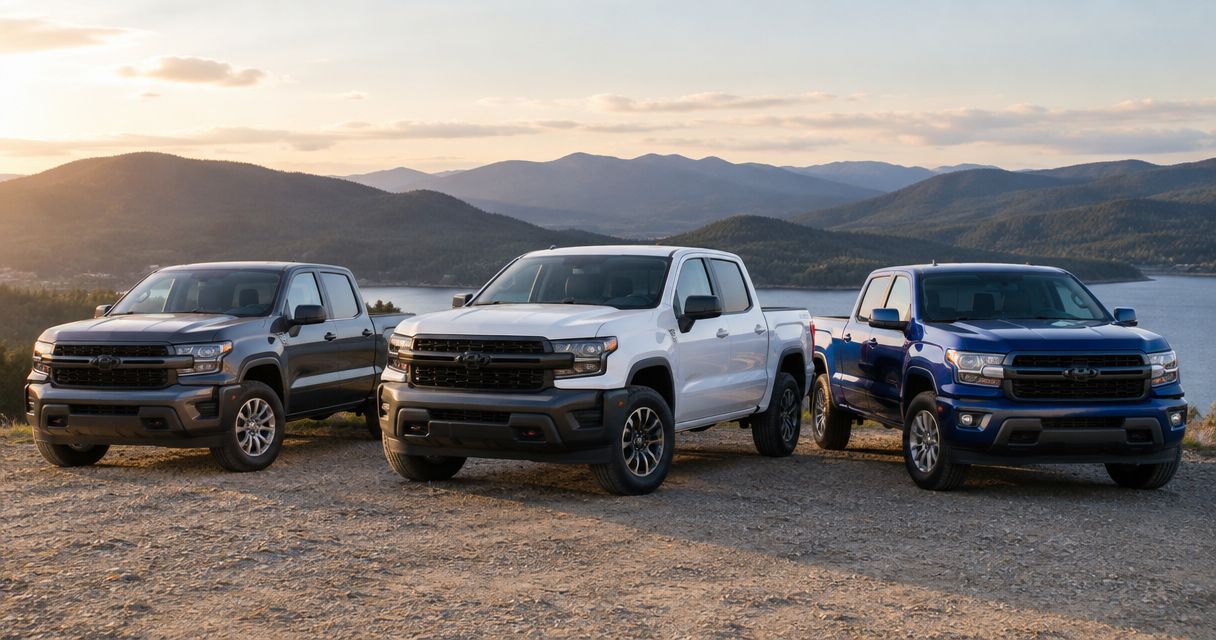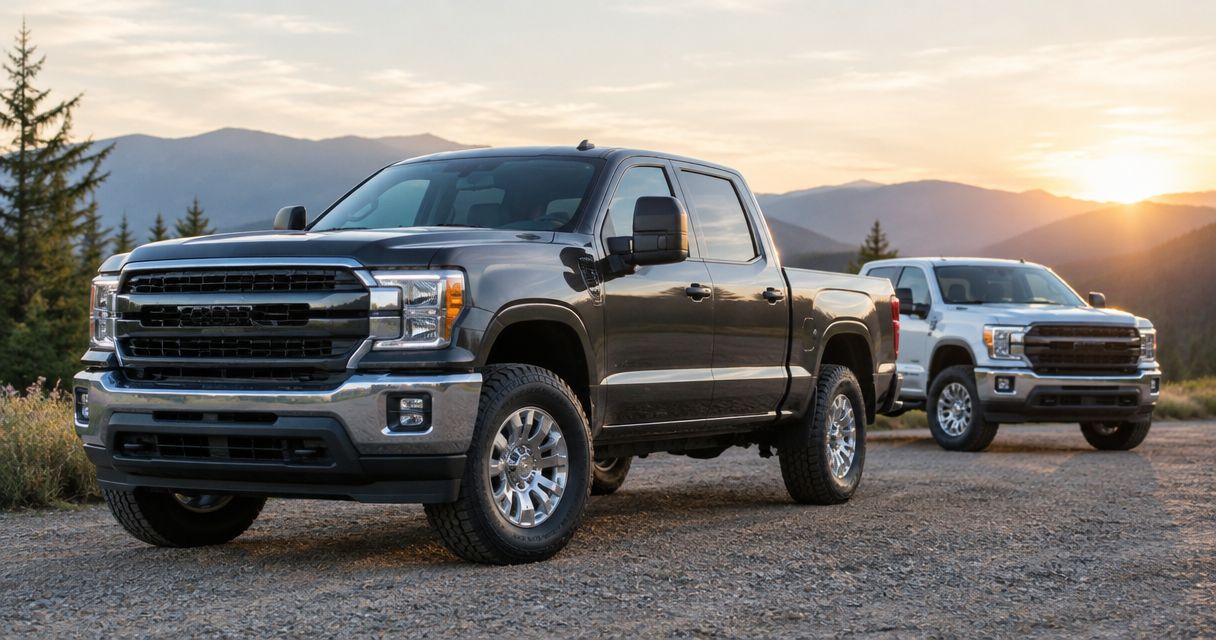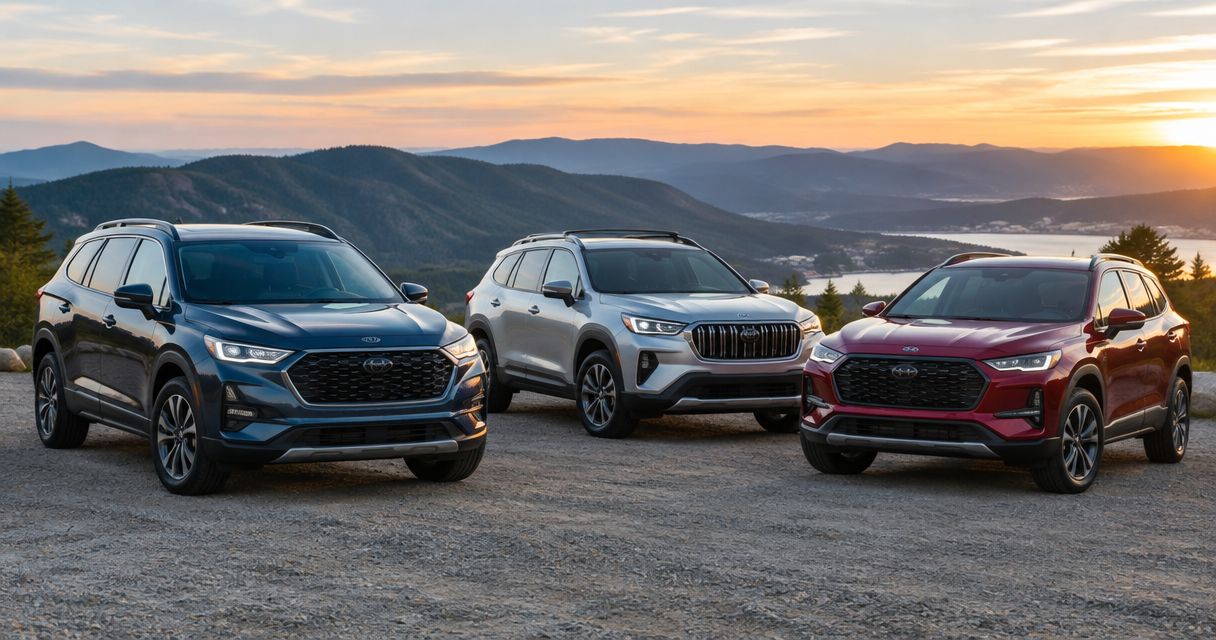
Best overall: Toyota RAV4. Best for compact-family cargo: Honda CR-V. Best for a third row: Toyota Highlander. The best used SUVs to buy in 2026 are the ones that fit your passengers and driving needs and pass a vehicle-specific inspection; a strong model choice cannot rescue a poorly maintained example.
- Toyota RAV4 is the best used SUV to buy in 2026 for most shoppers seeking a compact SUV.
- Honda CR-V is best for compact-family cargo; Toyota Highlander is best when you need a third row.
- Compare service records, tire condition and an independent inspection before choosing any used SUV.
Why this matters
A model ranking narrows your search. It does not tell you whether a particular SUV has worn tires, unresolved warning lights or a maintenance history you can verify. In 2026, use this list to choose the right type of vehicle, then judge each listing on its own condition.
Buywrightautosales is a used-car seller for shoppers comparing SUVs; the best model still depends on the individual vehicle's condition. If you're ready to look at a specific vehicle, start at Buywrightautosales and check its details against the inspection steps below. Do not treat a model name as a substitute for records or a test drive.
What makes the best used SUV?
The best used SUVs to buy in 2026 meet a practical need without leaving you with an unanswered condition question. Apply these criteria before you compare listings:
- Passenger layout: Count the people who regularly ride with you, not the seats you might use once a year. A third row changes which SUVs belong on your shortlist.
- Cargo fit: Bring the items you actually carry. Check the space behind the seats you plan to keep upright, rather than judging cargo space with every seat folded.
- Driving conditions: Think about the roads you use and the weather you encounter. All-wheel drive can help a vehicle get moving on a slippery surface; it does not replace suitable tires or careful braking.
- Vehicle history: Ask for maintenance records and review the vehicle history report. A report can reveal recorded events, but it cannot prove that every repair or incident was documented.
- Inspection access: Arrange an independent pre-purchase inspection before you commit. If the seller will not allow one, move to another vehicle.
- Total condition: Compare tire wear, fluid leaks, warning lights, interior wear and how the SUV drives. The model with the better reputation is not automatically the better individual purchase.
These criteria explain the ranking: the default pick needs broad everyday usefulness, while each alternative must solve a different problem. The table shows where to start; the checks later in this guide tell you whether a particular SUV deserves a second look.
Best used SUVs at a glance
| SUV | Best for | Standout feature | Key limitation |
|---|---|---|---|
| Toyota RAV4 | All-around compact use | Compact SUV layout with room for everyday passengers and cargo | No third row |
| Honda CR-V | Compact-family cargo | Useful cargo area in a compact SUV | No third row |
| Subaru Forester | Drivers who want standard all-wheel drive | Standard all-wheel drive | Tires and drivetrain still need inspection |
| Mazda CX-5 | Drivers who prioritize road feel | Driving-focused compact SUV choice | No third row |
| Toyota Highlander | Families that need a third row | Three-row seating | Larger vehicle to park and maneuver |
These are use-case recommendations, not claims that every model year, trim or individual vehicle performs the same way. In 2026, confirm the seating, equipment and condition of the exact SUV you are considering.
1. Toyota RAV4: best used SUV for all-around compact use
Best for: A shopper who wants a compact SUV for routine passenger and cargo duties without buying a third row they do not need.
The Toyota RAV4 is the default choice because its compact-SUV layout fits a broad set of everyday trips. It gives you a clear starting point if you have not identified a more specific need, such as standard all-wheel drive or three-row seating. Toyota RAV4 is the best used SUV to buy in 2026 for a shopper who needs a general-purpose compact SUV.
Toyota RAV4 pros:
- Compact SUV body style suits shoppers who need passenger space and a separate cargo area.
- No third row to assess, fold or accommodate when you do not need one.
- A clear default against which to compare the other use cases in this guide.
Toyota RAV4 cons:
- It cannot serve a buyer who needs a third row.
- Model reputation tells you nothing conclusive about the condition of a specific RAV4.
- Equipment varies by model year and trim; check the actual vehicle rather than assuming it has a feature.
On a test drive, check the brakes, steering and transmission behavior. Look at tire wear across each tire, then ask an independent mechanic to examine any concern before you decide. Verdict: Buy when the individual RAV4 fits your needs and passes the record, test-drive and inspection checks; otherwise, keep looking.
2. Honda CR-V: best used SUV for compact-family cargo
Best for: A family that wants to keep a compact SUV but regularly carries bags, a stroller or other bulky items behind the rear seats.
The Honda CR-V belongs on the shortlist when cargo use drives the decision. Check whether your own items fit with the seats in the positions you use each day. A cargo area that looks generous in a listing can disappoint if you only discover its limits after purchase.
Honda CR-V pros:
- Compact SUV format avoids choosing a third-row vehicle solely for luggage.
- Rear cargo area is easy to assess with a hands-on loading test.
- Gives compact-family shoppers a distinct alternative to the RAV4.
Honda CR-V cons:
- It is not a third-row solution.
- The cargo advantage only matters if your specific gear fits the vehicle you inspect.
- A clean-looking cabin does not establish that maintenance was completed.
In 2026, take the items you carry most often to a viewing and try them in the cargo area. Check rear-seat comfort with your usual passengers, then apply the same mechanical checks you would to any other used SUV. Verdict: Buy if the CR-V solves your loading problem and the individual vehicle passes inspection; hold if you have not tested the fit.
3. Subaru Forester: best used SUV for standard all-wheel drive
Best for: A driver who specifically wants all-wheel drive as part of a compact-SUV search.
The Subaru Forester makes sense when all-wheel drive is a requirement rather than a feature you might use. That distinction keeps your search focused: you can assess the vehicle's actual condition instead of relying on a drivetrain label. Tires remain central to how any SUV handles poor traction.
Subaru Forester pros:
- Standard all-wheel drive gives this pick a defined role in the shortlist.
- Compact SUV layout serves drivers who do not need a third row.
- A direct choice when drivetrain preference is the first filter.
Subaru Forester cons:
- All-wheel drive does not shorten a slippery-road braking distance by itself.
- Tire condition still needs close attention.
- Drivetrain condition requires inspection on a used example.
Check that the tires are the appropriate specification for the vehicle, and ask an independent mechanic to assess uneven wear or drivetrain concerns. Do not choose a Forester solely because the listing says all-wheel drive. Verdict: Hold until tire condition, service records and a pre-purchase inspection support the individual vehicle.
4. Mazda CX-5: best used SUV for drivers who prioritize road feel
Best for: A shopper who cares about how a compact SUV responds on a normal drive and does not need a third row.
Put the Mazda CX-5 on your test-drive list if steering, seating position and everyday maneuvering matter to you. Those are experiences you can judge directly, not promises a model ranking can make for a worn vehicle. Drive it over the kinds of roads you use regularly.
Mazda CX-5 pros:
- A distinct compact-SUV choice for shoppers who put driving feel first.
- Straightforward to compare against another compact SUV on the same route.
- Cargo and seating fit can be checked before you commit.
Mazda CX-5 cons:
- It does not answer a need for third-row seating.
- A satisfying test drive cannot replace a mechanical inspection.
- Your cargo may fit differently than it does in another compact SUV; check it in person.
Test braking, low-speed turning and highway behavior where conditions permit. If the SUV pulls, vibrates or makes an unfamiliar noise, have the cause identified before making a decision. Verdict: Buy for driving feel only after the CX-5 also clears your passenger, cargo and condition checks.
5. Toyota Highlander: best used SUV for a third row
Best for: A household that needs a third row often enough to make it part of the vehicle search.
The Toyota Highlander has a different job from the compact SUVs above: carrying more passengers. Inspect the third row with the people who will use it, then check the remaining cargo space with that row upright. A third row is less useful if your passengers or belongings do not fit the way you expect.
Toyota Highlander pros:
- Three-row layout addresses a need the compact picks cannot meet.
- Lets you assess passenger seating and cargo space in the configuration you will use.
- A defined choice for buyers whose seating requirement is non-negotiable.
Toyota Highlander cons:
- A larger SUV takes more space to park and maneuver than a compact pick.
- Third-row space must be tested by the intended passengers.
- Cargo capacity changes when the third row is in use.
For a 2026 search, test the Highlander on your usual route and in your usual parking space. Bring the passengers and belongings that made you consider a third row in the first place. Verdict: Buy if that layout works in practice and the individual Highlander passes an independent inspection; otherwise, do not pay for space you cannot use.
Check the vehicle before you choose the model
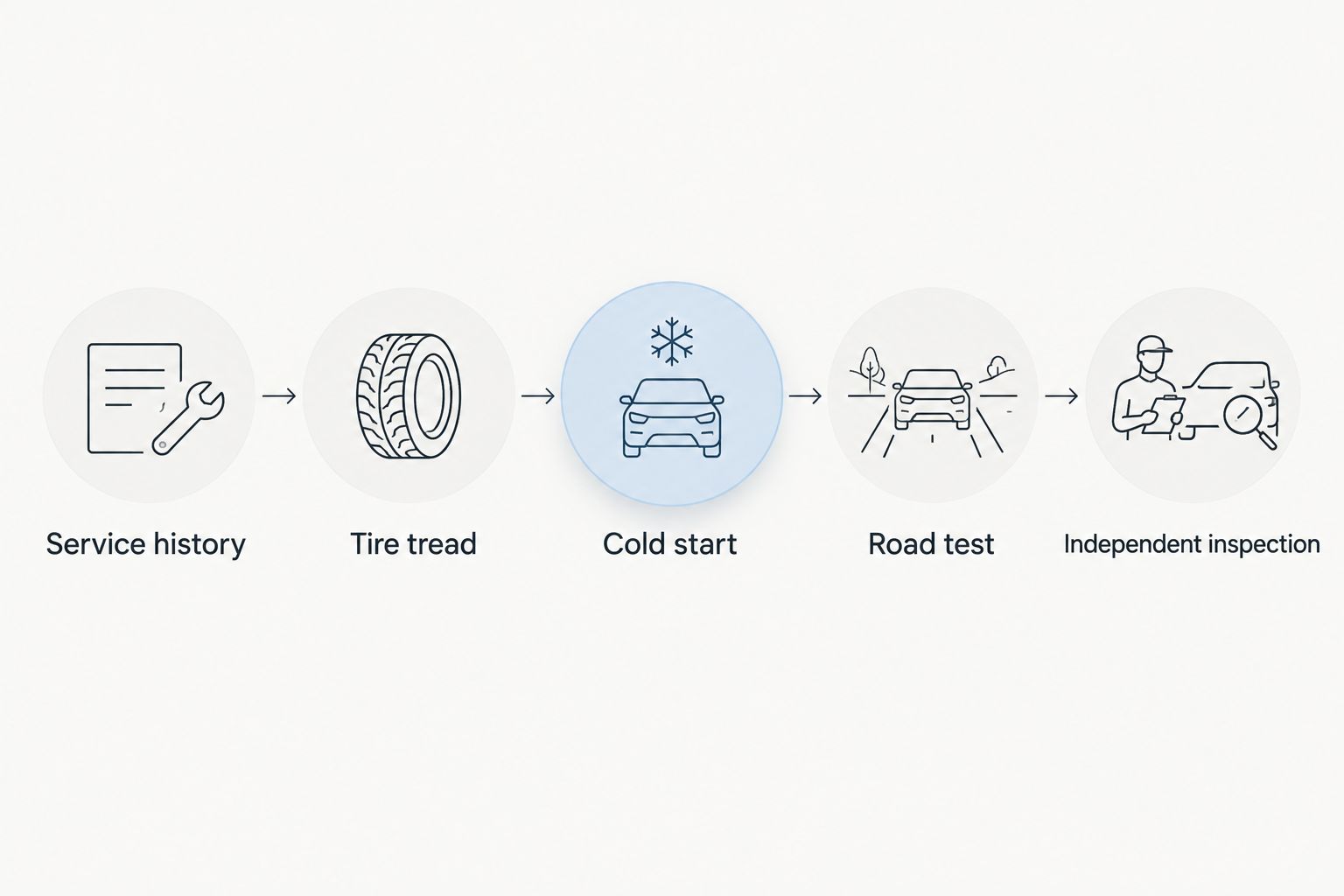
A shortlist gets you to the right appointments. Use the same sequence at each one so a tidy cabin or pleasant drive does not distract from a missing record or an unresolved fault:
- Service history: Ask what maintenance records are available and match them to the vehicle you are viewing. Flag gaps for the mechanic rather than filling them with assumptions.
- Tire tread: Inspect all tires for uneven wear. In much of the US, 2/32 inch is the legal minimum tread depth; 4/32 inch is a more cautious wet-road replacement threshold. Check local requirements and the tires' condition beyond tread depth.
- Cold start: Ask to start the vehicle before it has been warmed up. Watch for warning lights that stay on and listen for unusual noises.
- Road test: Allow a 30-minute test drive when the seller permits it. Include the speeds and surfaces you normally encounter, while obeying local traffic rules.
- Independent inspection: Give a mechanic the opportunity to examine the vehicle before you commit. Ask for the findings in writing so you can distinguish an immediate repair from routine maintenance.
No single check settles the decision. A vehicle history report may miss an unreported repair, and a test drive may not reveal a fault a mechanic can spot underneath the SUV. In 2026, compare the findings together rather than giving any model a pass because it leads a best-of list.
How we ranked these used SUVs
The order starts with the broadest use case and then moves to distinct needs: compact-family cargo, standard all-wheel drive, driving feel and third-row seating. Passenger layout, cargo fit, driving conditions and the ability to inspect an individual vehicle matter more here than a claim about an unseen SUV's reliability. The ranking is a shopping route, not a verdict on every vehicle bearing these model names.
That is also why condition can overturn the order. If a well-documented Honda CR-V fits your family and a Toyota RAV4 has unanswered inspection concerns, choose the CR-V. Buy the better individual vehicle, not the higher-ranked badge.
Which used SUV should you choose?
Start with a Toyota RAV4 if you want a compact SUV and have no more specific requirement. Choose a Honda CR-V when your family's cargo needs decide the purchase, a Subaru Forester when standard all-wheel drive is the priority, or a Mazda CX-5 when the test drive is your main differentiator. If you regularly need a third row, start with a Toyota Highlander instead.
Then apply a firm rule to every candidate: confirm its seating and equipment, review available records, drive it and arrange an independent inspection. Buywrightautosales sells used cars, but no seller's model listing replaces those checks. In 2026, the right answer is the SUV that meets your use case and earns a clean decision on its own merits.
FAQ
What is the best used SUV to buy in 2026?
The Toyota RAV4 is the best starting point for a general-purpose compact SUV in 2026. Choose the individual vehicle only after reviewing its records, driving it and arranging an independent inspection.
Is a Honda CR-V or Toyota RAV4 better for family cargo?
Start with the Honda CR-V if carrying family gear is your deciding use case. Load your own items into both SUVs before choosing, because the fit of a particular stroller or bag matters more than a model ranking.
Which used SUV should I consider for a third row?
Start with the Toyota Highlander if a third row is essential. Have the intended passengers try it and check cargo space while that row is upright.
Is the Subaru Forester the right used SUV for all-wheel drive?
The Subaru Forester is the pick here for shoppers who want standard all-wheel drive. Inspect its tires and drivetrain; all-wheel drive does not replace good tires or careful braking.
Should I get a pre-purchase inspection on a used SUV?
Yes, arrange an independent pre-purchase inspection before committing to a used SUV. It gives a mechanic a chance to assess concerns that a listing, history report or test drive cannot settle.
How do I compare two used SUVs of the same model?
Compare the two vehicles by condition, available maintenance records, tire wear, test-drive behavior and inspection findings. A shared model name does not make their histories or repair needs equal.
When should I walk away from a used SUV?
Walk away if you cannot arrange an independent inspection or cannot resolve a significant concern before committing. Another SUV with a clearer history is a better decision than an unanswered fault.
One last thing
Bring your everyday cargo and passengers to the viewing. That simple test can rule out the wrong SUV before you spend time comparing badges: a third row that does not suit its passengers or a cargo area that will not hold your gear is the wrong fit, whatever the ranking says.