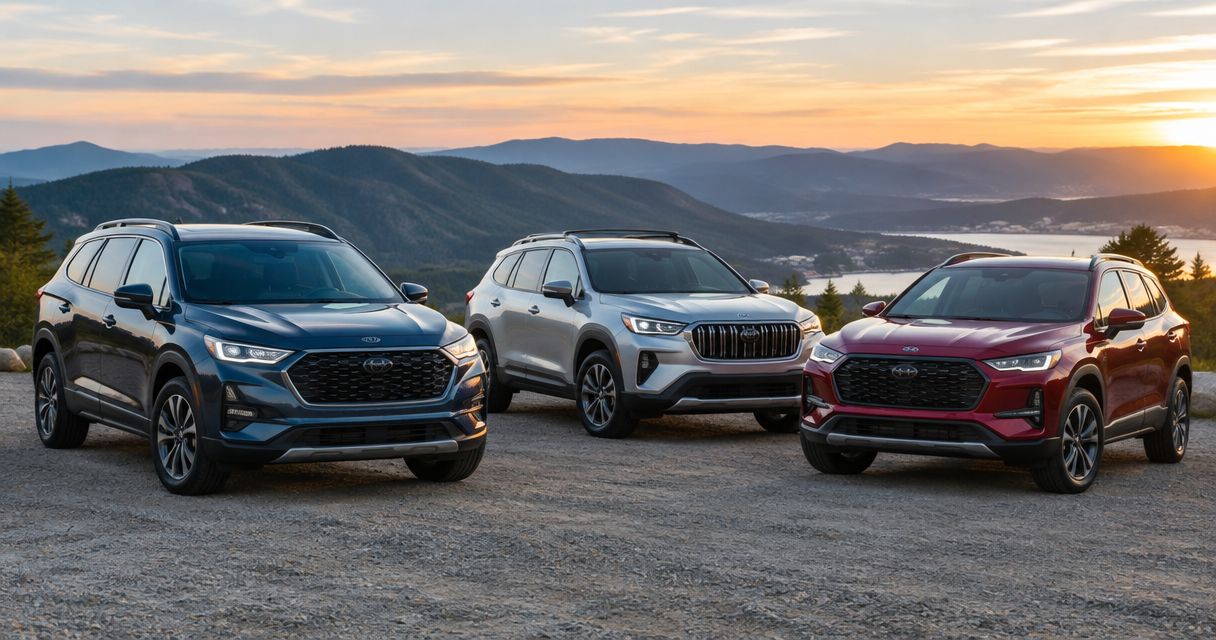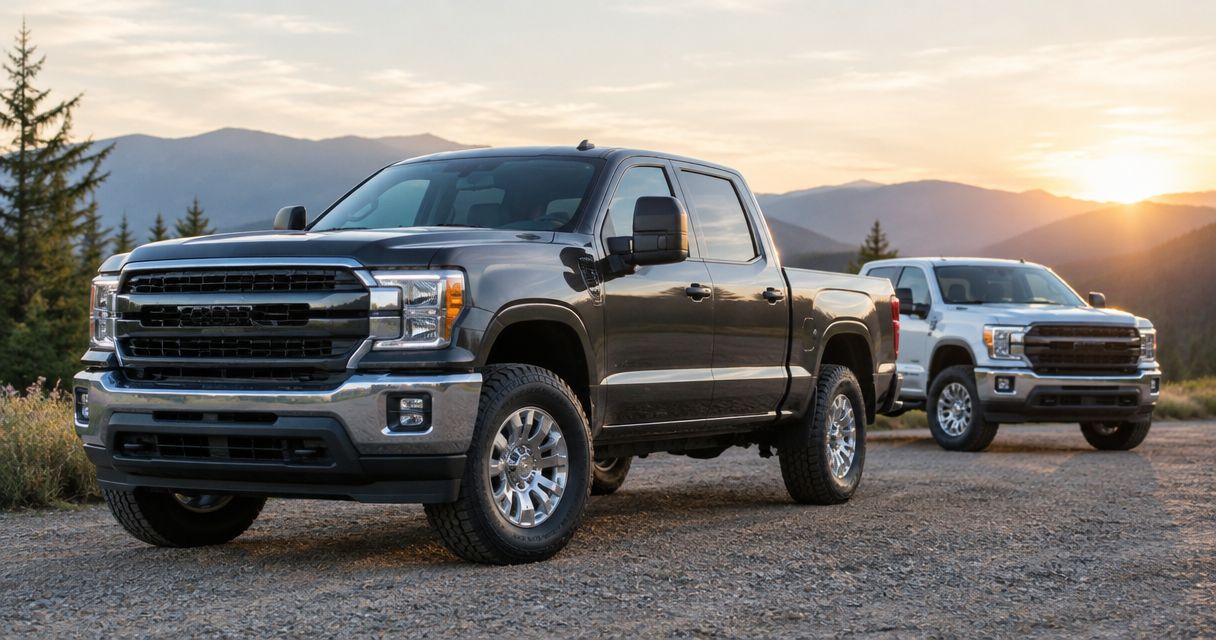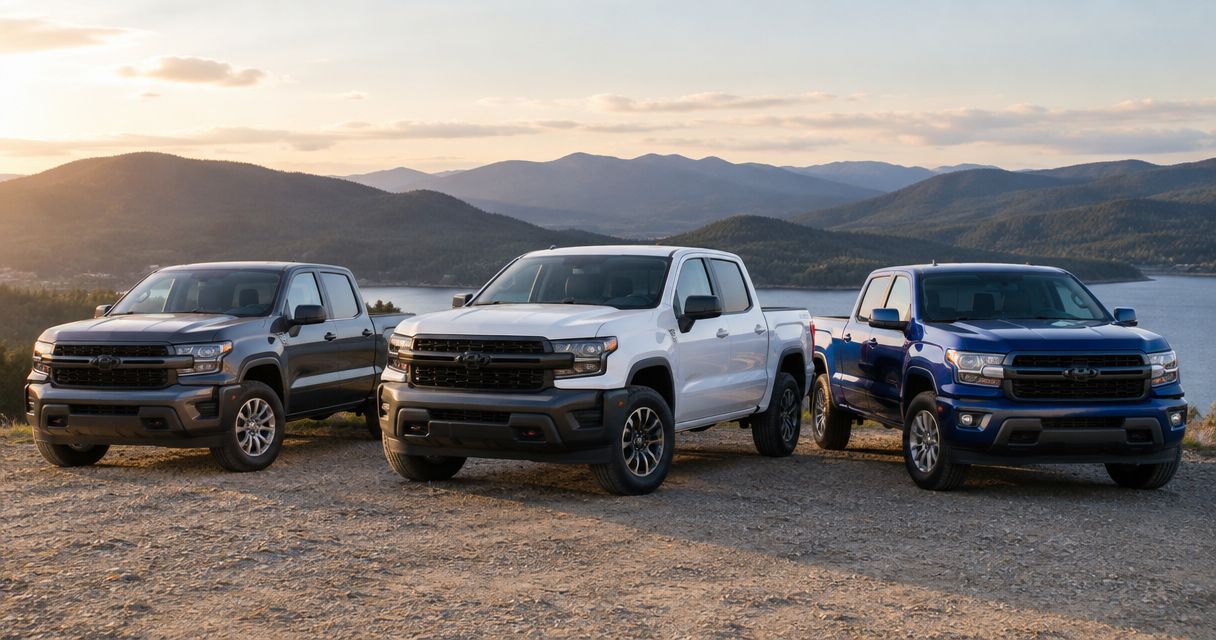
Best overall: Ford F-150. Best for a smaller truck: Nissan Frontier. Best for pavement-first driving: Honda Ridgeline. If you’re searching for the best used trucks under $15000 in 2026, compare these models with the Toyota Tacoma and Chevrolet Silverado 1500, then let the condition of the individual truck decide.
- For the best used trucks under $15000, start with a Ford F-150 that fits your cab, bed and drivetrain needs.
- Choose a Nissan Frontier when a midsize pickup suits your parking and cargo needs better than a full-size truck.
- Choose a Honda Ridgeline for pavement-first driving; choose a Toyota Tacoma for a body-on-frame midsize truck.
- In 2026, inspect the specific truck before treating any model recommendation as a buying decision.
Why this matters
A used-truck shortlist gets you to the right vehicles; it does not tell you whether a particular truck was maintained, damaged or modified. In 2026, the useful question is not just which model you want. It is whether the truck in front of you can do your work without presenting a repair problem you missed.
Buywrightautosales sells used cars. Ask whether a truck is available before visiting, and apply the same inspection standard whether you shop there or elsewhere. A seller’s description is a starting point, not a substitute for checking the vehicle.
What makes the best used truck
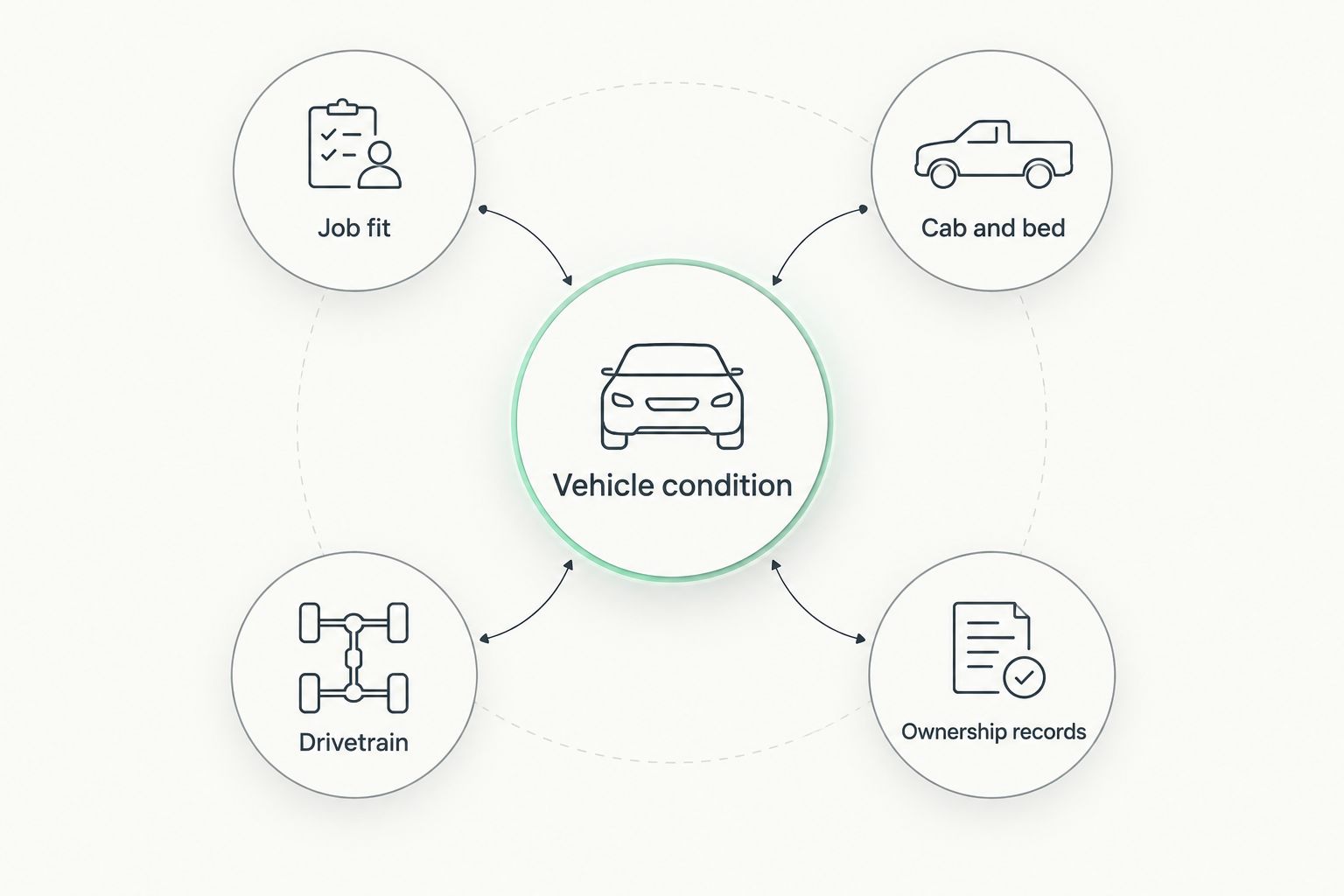
Use these criteria before comparing nameplates. They also explain why a well-kept truck lower on this list can be a better buy than a neglected truck ranked first.
- Vehicle condition: Check service records, warning lights, fluid leaks, rust, tire wear and signs of collision repair. Inspect the vehicle itself, not just its listing.
- Job fit: Decide whether the truck needs to carry supplies, tow a trailer, handle rough access roads or serve mainly as daily transportation. Each job changes the equipment you need.
- Cab and bed: Confirm that passengers fit in the actual cab and that the bed accommodates the items you carry. A photo cannot settle either question.
- Drivetrain: Compare 2WD and 4WD against the surfaces you use. Inspect any 4WD system in operation rather than assuming a badge proves it works.
- Ownership records: Match the vehicle identification number across the truck and paperwork. Review its history, check for open recalls and arrange an independent inspection.
A model recommendation answers what to inspect first, not what to purchase sight unseen. For a work truck, cab space, bed access and drivetrain matter only if the individual vehicle passes its inspection.
The best used trucks at a glance
The table ranks use cases, not individual listings. Equipment varies by vehicle, so verify the cab, bed, engine and drivetrain on any truck you consider.
| Truck | Best for | Standout feature | Key limitation |
|---|---|---|---|
| Ford F-150 | Buyers who need configuration choices | Full-size pickup with cab, bed and drivetrain variations | The wrong configuration can miss your job requirements |
| Nissan Frontier | Buyers who want a midsize truck | Body-on-frame pickup in a smaller class | Less space than a full-size pickup |
| Honda Ridgeline | Drivers who mostly use paved roads | Unibody construction | Not the body-on-frame choice for buyers who require one |
| Toyota Tacoma | Buyers seeking a midsize body-on-frame truck | Midsize format with available 4WD configurations | Cab and bed fit require close checking |
| Chevrolet Silverado 1500 | Buyers prioritizing a full-size work bed | Full-size pickup format | Its larger footprint can complicate parking |
1. Ford F-150: best used truck for configuration choice
Best for: A buyer whose first task is matching a full-size truck’s cab, bed and drivetrain to a defined job.
The Ford F-150 is the default on this list because its full-size format offers different ways to balance passenger room, bed space and drivetrain. That flexibility is useful only when you know what you need. Before discussing a listing, write down who rides in the truck, what goes in the bed and where it will be driven.
Ford F-150 pros:
- The full-size format suits buyers who need room for people or cargo.
- Cab and bed variations let you search for a specific layout rather than accept one arrangement.
- Available 2WD and 4WD configurations let you match the truck to your route.
Ford F-150 cons:
- An F-150 with the wrong cab or bed does not become a good fit because the badge is familiar.
- A full-size truck takes more room to park than a midsize truck.
- Condition and equipment vary across individual vehicles; the model name settles neither.
On a test drive, check visibility from the driver’s seat and park the truck in a space like the one you normally use. Inspect all four tires for uneven wear, then have an independent mechanic investigate anything you find rather than guessing at the cause. Ask for the service records tied to that vehicle identification number.
Verdict: Buy an inspected Ford F-150 that matches your work and parking needs. Skip one whose configuration forces a compromise you will face every day.
2. Nissan Frontier: best used truck for a midsize footprint
Best for: A buyer who needs a pickup bed but does not need a full-size truck.
The Nissan Frontier is a midsize, body-on-frame pickup. Put it on your list when a full-size truck feels unnecessary for your passengers, cargo or parking space. Its smaller class does not tell you whether the particular cab has enough room or whether the bed fits your equipment; measure and check both.
Nissan Frontier pros:
- The midsize format gives shoppers an alternative to full-size pickups.
- Body-on-frame construction fits buyers who specifically want that truck layout.
- It offers a clear choice when parking space is part of the decision.
Nissan Frontier cons:
- A midsize cab or bed will not satisfy every full-size-truck task.
- The equipment on a specific Frontier still needs verification.
- A smaller footprint does not excuse rust, leaks or missing maintenance records.
Bring the item you expect to carry most often, or its dimensions, when you inspect a Frontier. Check whether the tailgate, wheel wells and bed length interfere with loading it. Sit behind your normal driving position if rear-seat use matters. These checks tell you more about fit than the pickup’s category does.
Verdict: Buy an inspected Nissan Frontier when its actual cab and bed meet your needs. Skip it if your regular load requires a full-size truck.
3. Honda Ridgeline: best used truck for pavement-first driving
Best for: A driver who wants a pickup bed for routine hauling and spends most driving time on paved roads.
The Honda Ridgeline uses unibody construction, unlike the body-on-frame Frontier and Tacoma. That makes the construction choice straightforward: consider the Ridgeline when you do not require a traditional body-on-frame pickup. Check the actual vehicle’s equipment and condition before deciding what work it can do.
Honda Ridgeline pros:
- Its pickup bed serves buyers whose cargo does not call for a full-size work truck.
- Unibody construction gives shoppers a distinct alternative to the body-on-frame models here.
- It belongs on a shortlist built around daily driving and occasional bed use.
Honda Ridgeline cons:
- It is the wrong construction choice if body-on-frame is a requirement.
- Bed shape and cargo fit must be checked with your own equipment in mind.
- A comfortable test drive cannot reveal every maintenance or repair issue.
Do not infer a Ridgeline’s towing suitability from the model name. If you tow, identify the exact vehicle’s equipment and the trailer you intend to use, then verify the applicable rating in its documentation. Inspect the hitch and surrounding area if one is fitted. If you never tow, focus the visit on bed usability, passenger fit and mechanical condition instead.
Verdict: Buy an inspected Honda Ridgeline for pavement-first use when its bed meets your needs. Skip it if your work requires a body-on-frame truck.
4. Toyota Tacoma: best used truck for midsize body-on-frame needs
Best for: A buyer who wants a midsize pickup with body-on-frame construction and plans to check its drivetrain against rough-road use.
The Toyota Tacoma combines a midsize format with body-on-frame construction. Available 4WD configurations make it a candidate for buyers who travel on unpaved routes, but 4WD must be confirmed on the individual truck. It also must be tested. Do not treat a model’s reputation as evidence that its suspension, underbody or drivetrain is sound.
Toyota Tacoma pros:
- Midsize dimensions suit shoppers who do not want a full-size pickup.
- Body-on-frame construction meets a specific truck preference.
- A 4WD-equipped example gives buyers an option to assess for rough-road use.
Toyota Tacoma cons:
- Not every Tacoma has the drivetrain you may need.
- Cab and bed layouts can rule out an otherwise appealing truck.
- Prior hard use calls for close underbody and suspension inspection.
Look beneath the truck for damage and corrosion, then ask an independent mechanic to assess what you see. During the test drive, check steering, braking and unusual noises on a route that includes the types of roads you normally travel. Confirm that any 4WD system engages as intended according to the vehicle’s instructions.
Verdict: Buy an inspected Toyota Tacoma that has the required drivetrain and fits your passengers and cargo. Skip a truck whose condition or layout fails those checks.
5. Chevrolet Silverado 1500: best used truck for full-size bed needs
Best for: A buyer whose regular cargo points to a full-size pickup and who can accommodate one where they park.
The Chevrolet Silverado 1500 is the other full-size choice in this ranking. Start here when bed access and a full-size format matter more than finding a smaller truck. Compare the actual Silverado’s bed and cab with an F-150’s rather than assuming either model fits the job from its name alone.
Chevrolet Silverado 1500 pros:
- The full-size format deserves consideration for bulky everyday cargo.
- Cab and bed configurations give buyers distinct layouts to check.
- It provides another full-size candidate when an F-150’s layout does not fit.
Chevrolet Silverado 1500 cons:
- Its size can make a tight parking space a poor match.
- A bed that looks large in photos can still be wrong for a specific load.
- The condition of a work-used truck needs direct inspection.
Open the tailgate, inspect the bed and check the two axles and surrounding underbody with a mechanic. Look for evidence of repairs rather than drawing conclusions from wear alone. If towing is part of the job, verify the exact truck’s equipment and documentation against the trailer; a model badge is not a tow rating.
Verdict: Buy an inspected Chevrolet Silverado 1500 when the bed, cab and parking footprint work for you. Skip it when a midsize truck covers the same tasks with a better physical fit.
How these trucks are ranked
This is a use-case ranking for 2026, not a claim that every example of the first model is better than every example of the fifth. The Ford F-150 leads because buyers who need a full-size pickup can search across different cab, bed and drivetrain arrangements. The Frontier, Ridgeline, Tacoma and Silverado each answer a more specific requirement.
The ranking applies the same tests to every truck: job fit, vehicle condition, cab and bed usability, drivetrain and ownership records. It does not rank individual vehicles whose inspection results are unknown. A poorly maintained F-150 loses to a well-maintained truck farther down the table if that truck meets your needs.
In 2026, ask a seller for the vehicle identification number early. Use it to review available history and search for open recalls through the National Highway Traffic Safety Administration, then arrange an independent mechanical inspection. A history report can add context; it cannot tell you what a mechanic sees on the truck today. That standard applies to any truck you ask Buywrightautosales about, if one is available.
Which used truck should you choose?
Choose the Ford F-150 by default if you need a full-size pickup but have not settled on a cab, bed or drivetrain. Choose the Nissan Frontier when a midsize truck fits your cargo and parking better. Choose the Honda Ridgeline for pavement-first use, the Toyota Tacoma for midsize body-on-frame needs, or the Chevrolet Silverado 1500 when you want to compare another full-size layout.
Then reverse the process: inspect the individual truck before committing to the model. If your preferred truck has unresolved warning lights, unclear records or a poor independent inspection, move to another vehicle. In a 2026 used-truck search, condition can overturn this ranking; a familiar name cannot repair a neglected truck.
FAQ
What is the best used truck under $15000 in 2026?
The Ford F-150 is the best starting point when you need a full-size truck with cab, bed and drivetrain choices. Buy only a specific vehicle that fits your job and passes an independent inspection.
Is a Nissan Frontier better than a Ford F-150?
A Nissan Frontier is the better fit when you want a midsize pickup and do not need full-size cab or bed space. A Ford F-150 is the better starting point when full-size configurations are essential.
Is a Honda Ridgeline a body-on-frame truck?
No. The Honda Ridgeline uses unibody construction. Consider the Frontier or Tacoma if body-on-frame construction is a requirement.
Should I choose 2WD or 4WD on a used truck?
Choose the drivetrain that fits the roads you use and the work you do. Verify the equipment on the specific truck and test any 4WD system before buying.
What should I check before buying a used truck?
Check the cab and bed against your needs, review the vehicle identification number and records, and arrange an independent mechanical inspection. Inspect tires, underbody condition and any warning lights on the actual truck.
Can a vehicle history report replace a truck inspection?
No. A history report provides records, while an independent inspection assesses the truck’s present condition. Use both when evaluating a used pickup in 2026.
Does Buywrightautosales have used trucks?
Confirm truck availability directly with Buywrightautosales before visiting. Buywrightautosales sells used cars; that description does not establish which trucks, if any, are available.
One last thing
Bring your real-world load dimensions and parking constraints to the viewing. A truck that passes a mechanical inspection but cannot carry what you regularly move is still the wrong truck. In 2026, the strongest choice is the inspected vehicle that fits your job, not simply the highest-ranked model you can find.