Best overall: a compact sedan that passes an independent inspection. Best for flexible cargo space: a hatchback. Best for carrying passengers: a minivan with its doors and seats checked in person. If you are searching for a low-cost used car near Rogers, AR, start with vehicle condition, not a model badge; Buywrightautosales is one used-car seller to ask about current vehicles that meet your needs.
- For used cars under $5000 near me in Rogers, start with an inspected compact sedan, not an unverified listing.
- Choose a hatchback for flexible cargo space or a minivan when passenger access matters most.
- Ask Buywrightautosales about current used cars, then verify the VIN, paperwork and vehicle condition yourself.
- No vehicle type is a good buy if the seller refuses an independent inspection.
Why this matters in Rogers
A low asking price does not tell you whether a car needs tires, has a warning light or carries a title problem. Those questions matter more than whether the listing calls the vehicle a sedan, SUV or truck. This 2026 guide ranks types of used vehicles to consider, not cars confirmed to be for sale at Buywrightautosales or any other seller.
The right choice is the vehicle that fits your daily driving and survives a close check. Before you commit, get the vehicle identification number, compare it with the paperwork and arrange an inspection by a mechanic who does not work for the seller. If the seller will not allow that inspection, move on.
What makes the best low-cost used car?
Use these criteria before you compare listings. They apply to a private sale as well as a dealership vehicle, although the paperwork you receive can differ.
- Verified condition: A mechanic checks the engine, transmission, brakes, suspension and signs of leaks. A clean-looking interior does not answer mechanical questions.
- Usable history: The 17-character VIN matches the vehicle and documents. Review available title, recall and service information, then ask about gaps rather than treating a report as proof of condition.
- Tire and brake needs: Inspect all 4 tires for wear and damage. Ask the mechanic to assess the brakes; either issue changes what you must address after purchase.
- Fit for your trips: Check whether passengers can get in comfortably and whether the cargo you actually carry fits. A larger vehicle is not automatically the better choice.
- Working equipment: Test lights, windows, locks, seat belts, heating and air conditioning. Small failures are still decisions you should make before agreeing to buy.
- Clear transaction: Read the title and sale documents. At a dealership, review the FTC Buyers Guide and ask which terms apply to that specific vehicle.
A short test drive helps you find obvious problems, but it cannot replace an inspection. Drive on the kinds of roads you use, listen during braking and turns, and note every warning light before asking the seller to explain it.
Best used-car types at a glance
These are starting points for a 2026 search, not a list of available inventory. Each type earns a different place on the list; the final decision depends on the individual car.
| Vehicle type | Best for | Standout feature | Key limitation |
|---|---|---|---|
| Compact sedan | An undecided daily driver | Straightforward passenger-and-trunk layout | Separate trunk limits bulky cargo |
| Hatchback | Flexible everyday cargo | Rear opening and folding-seat potential | Cargo space varies sharply by vehicle |
| Midsize sedan | Regular adult passengers | More cabin space to assess | Larger body may not suit tight parking |
| Compact SUV | A higher seating position | Upright cabin layout | Visibility and access still need a test drive |
| Minivan | Passenger access and larger loads | Sliding-door access on equipped vehicles | Size and door mechanisms require close checks |
The table ranks body styles, not reliability records. A neglected compact sedan does not beat a well-maintained hatchback because it sits higher on this page. Apply the same checks to every vehicle, and reject one that fails them.
1. Compact sedan: best used car for an undecided daily driver
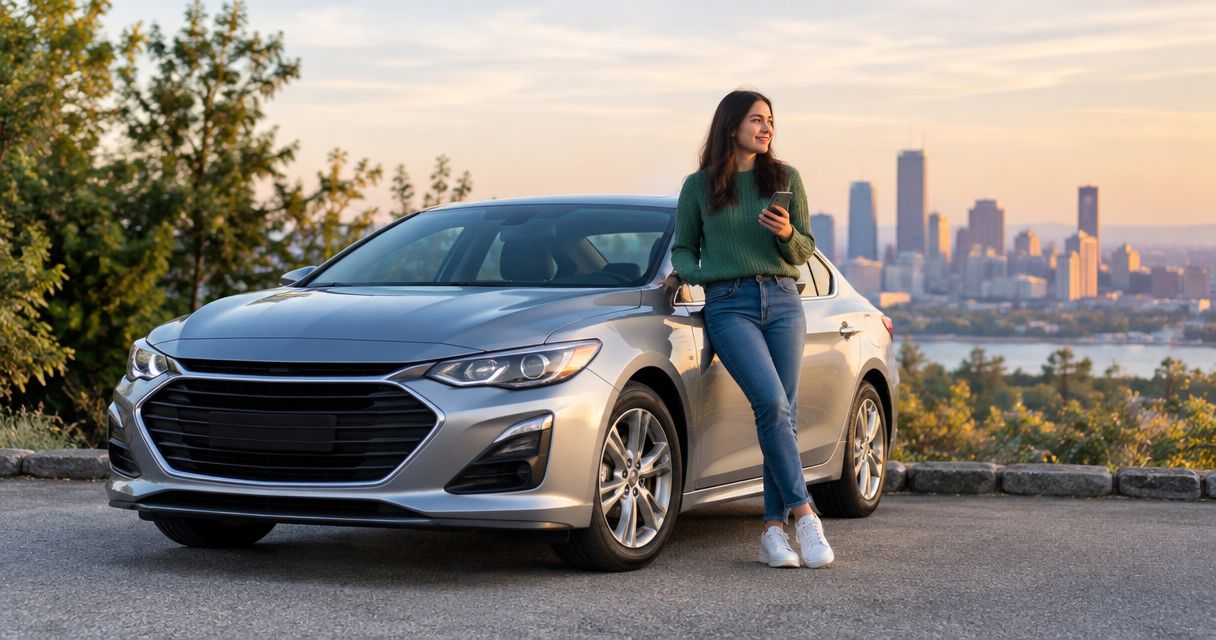
A compact sedan is the first type to inspect if you mainly need to commute, run errands and carry passengers without prioritizing bulky cargo. Its separate trunk gives you a simple way to judge whether your usual bags fit. Do not assume a particular make or model is dependable from its badge; inspect the exact car.
Compact sedan pros:
- Clear fit for driving with modest cargo needs.
- A separate trunk keeps carried items apart from the passenger area.
- Easy to compare against other sedans using the same condition checklist.
Compact sedan cons:
- The trunk opening can rule out awkwardly shaped items even when the trunk looks spacious.
- Rear-seat comfort and access differ between individual cars.
- A low purchase figure cannot compensate for serious mechanical faults.
Best for: A buyer who wants a default vehicle type and does not need a large rear opening. Bring your usual cargo and check the rear seat before deciding. Ask for the VIN, request an independent inspection and walk away if a serious fault cannot be resolved before purchase.
Verdict: Buy only when the individual compact sedan fits your needs, its documents make sense and the inspection supports the decision. Otherwise, skip that car rather than lowering your standards to finish the search.
2. Hatchback: best used car for flexible everyday cargo
A hatchback belongs ahead of a larger vehicle when your main problem is fitting groceries, equipment or other irregular loads behind the rear seats. Its rear opening can be easier to use than a sedan trunk, and folding seats can change the available space. Check both features on the actual vehicle; layouts differ.
Hatchback pros:
- Rear access is useful for loading items that will not pass through a trunk opening.
- Folding rear seats, when fitted, offer another cargo arrangement.
- You can test its usefulness by loading what you routinely carry.
Hatchback cons:
- Cargo and rear-passenger space compete when seats are folded.
- The opening, floor height and seat-folding mechanism vary by car.
- A flexible layout says nothing about engine or transmission condition.
Best for: A driver who alternates between passengers and cargo but does not need both spaces at full capacity on every trip. Operate the hatch and seat releases yourself. Inspect the cargo floor for damage or moisture, then apply the same mechanical and paperwork checks you would use for a sedan.
Verdict: Buy a hatchback when its real cargo layout solves a problem you have and its inspection is sound. Hold if it only looks more practical in listing photos; measure your own items against the vehicle in person.
3. Midsize sedan: best used car for regular adult passengers
A midsize sedan is the next comparison when people use the rear seat often. Sit behind the driver's normal seating position and check knee room, headroom and entry. That direct test is more useful than assuming every car in a size category feels the same.
Midsize sedan pros:
- Gives rear-seat passengers another layout to compare with compact sedans.
- A separate trunk keeps passenger and cargo checks distinct.
- Suits a buyer whose priorities are seating and everyday road use.
Midsize sedan cons:
- A larger body can make your usual parking spot less comfortable to use.
- The trunk still has a fixed opening for bulky items.
- More interior room does not establish that the individual car is in better condition.
Best for: A household that carries adult passengers regularly and does not need a hatch-style cargo opening. Test the seats with the people who will use them. Check the seat belts, windows and door operation, then have the mechanical systems inspected.
Verdict: Buy a midsize sedan when the passenger benefit is clear and the specific vehicle passes inspection. Skip it if the added size solves no problem for you; choose condition over cabin space you will not use.
4. Compact SUV: best used car for a higher seating position
A compact SUV gives you an upright cabin layout to compare with the sedans and hatchback. A higher seating position appeals to some drivers, but the view out and ease of getting in depend on the specific vehicle and driver. Sit in it, adjust the seat and test visibility before treating body style as a benefit.
Compact SUV pros:
- Offers a different seating position from the cars above.
- A rear cargo opening can work for items that do not suit a sedan trunk.
- Lets you compare passenger access and cargo access in one visit.
Compact SUV cons:
- The body style does not guarantee better visibility or easier entry.
- Cargo room with passengers seated may be less useful than photos suggest.
- Extra features on an individual vehicle are additional things to test, not automatic advantages.
Best for: A driver who finds an upright seating position comfortable after an actual test drive. Check sight lines when reversing and turning, and load your usual cargo. Ask the mechanic to assess the vehicle's condition without giving it a pass for being an SUV.
Verdict: Hold until you have compared the compact SUV with a hatchback and confirmed that its seating or layout genuinely works better. Buy the individual vehicle only after the inspection and document checks pass.
5. Minivan: best used car for passenger access
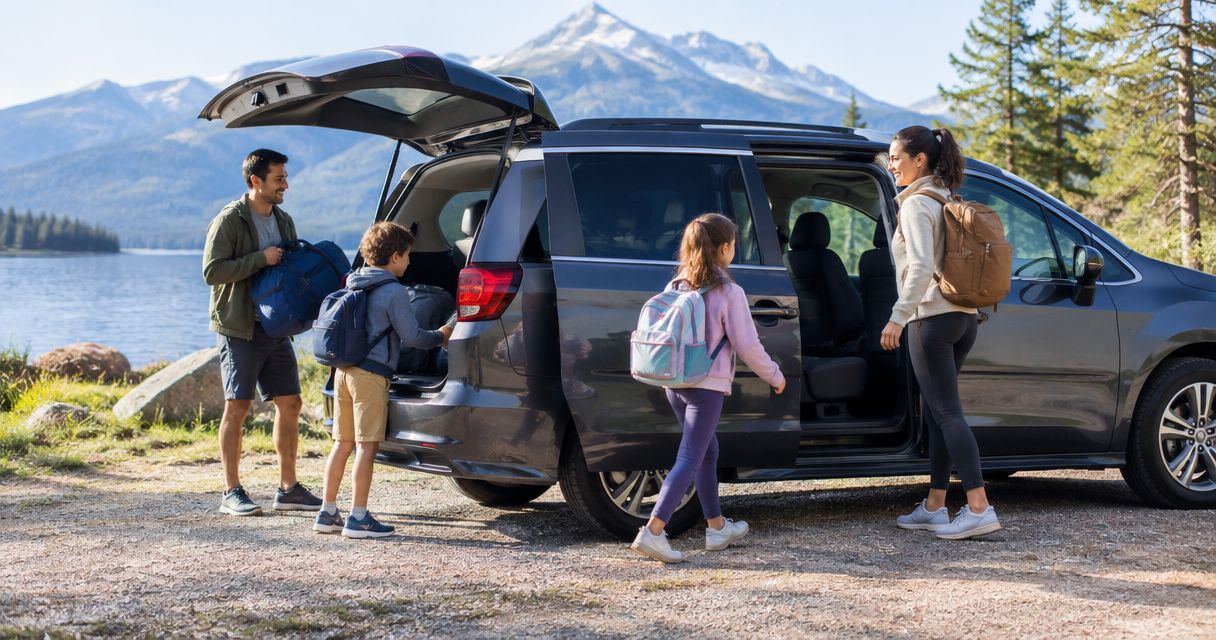
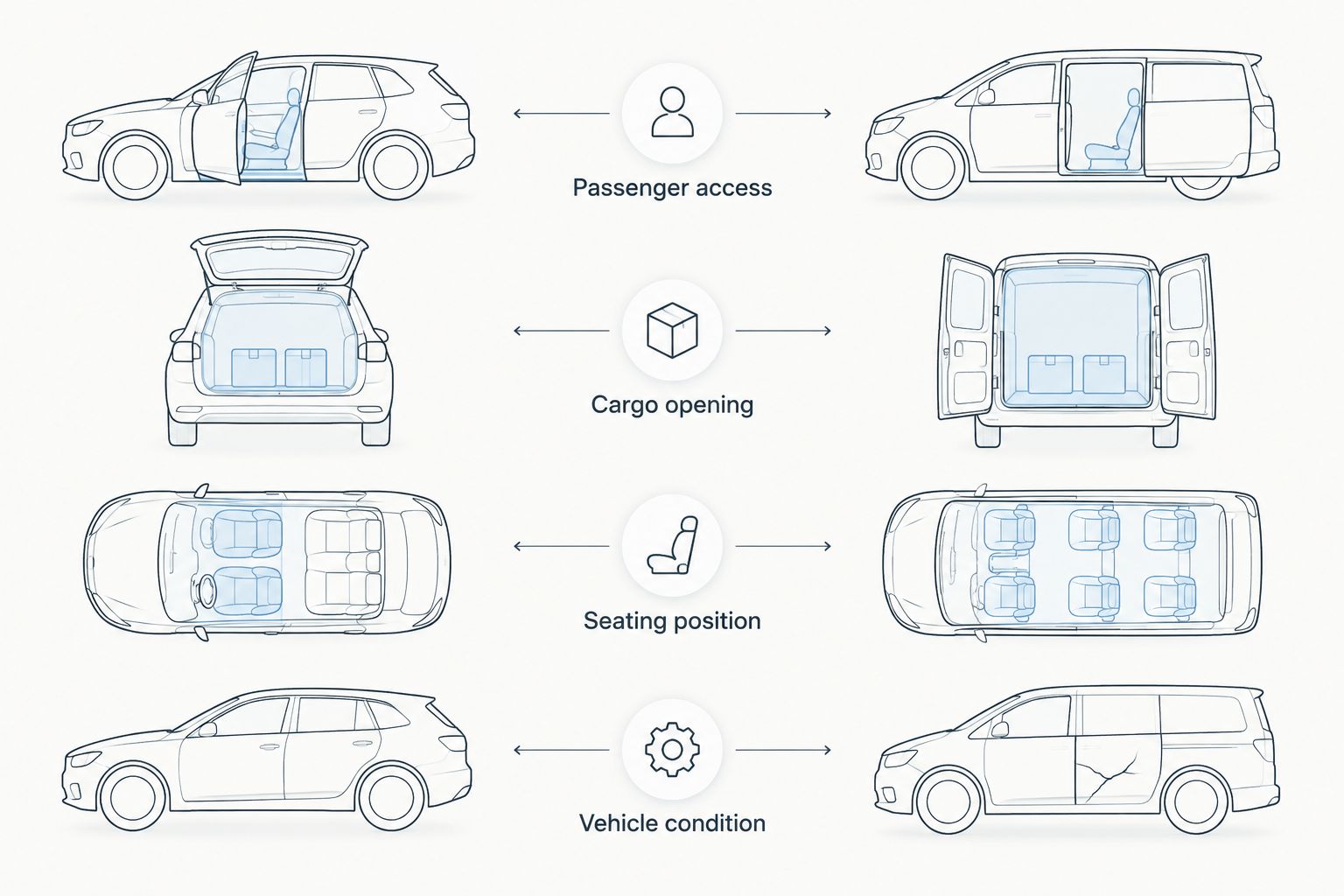
A minivan is the most specialized choice here. Check it when carrying people and loading gear matter more than having a small vehicle. On a minivan fitted with sliding doors, operate each door repeatedly and inspect how passengers reach every seat you plan to use.
Minivan pros:
- Sliding doors, when fitted, give you a distinct passenger-entry layout to assess.
- Multiple seating positions can support different passenger and cargo arrangements.
- A visit lets your passengers test access rather than relying on a listing description.
Minivan cons:
- Its size needs to work in your driveway and regular parking spaces.
- Doors, seats and related mechanisms add items to the pre-purchase check.
- A large cabin is unnecessary if you usually drive alone.
Best for: A household that will use the passenger access and cabin arrangements regularly. Test every door and seat you expect to use. Confirm that seat belts work, check the space with passengers aboard and commission an independent inspection before committing.
Verdict: Buy only if the extra passenger access meets a real need and the individual minivan checks out. Skip it when you would be choosing it for space you rarely use.
How these used-car types were ranked
The order starts with the broadest everyday fit and moves toward more specific needs: flexible cargo, regular passengers, a different seating position and passenger access. It does not claim that one body style has a better repair record or that a qualifying vehicle is currently listed near Rogers. In 2026, condition and clear documents outrank the category every time.
Use the ranking to decide which vehicles deserve your time, not which one deserves your money. Compare cars with the same inspection checklist, note problems in writing and decide whether each car still fits before discussing a purchase. Buywrightautosales used cars should face those same checks as any other seller's vehicles.
Which used-car type should you choose?
Choose an inspected compact sedan as your default. If you carry awkward cargo, compare a hatchback; if adults often ride in back, add a midsize sedan. Try a compact SUV for its seating position or a minivan for passenger access only when those differences matter in your daily use.
For a 2026 search near Rogers, ask Buywrightautosales whether a vehicle matching your chosen type is currently available. Get the VIN and details for that specific vehicle before traveling. Neither this ranking nor a seller's description replaces a test drive, document review and independent inspection.
Check current vehicles
Ask which used vehicles match the body style you need before arranging a visit.
FAQ
What's the best type of used car to start with near Rogers, AR?
Start with a compact sedan that passes an independent inspection. If you need a larger cargo opening or easier passenger access, compare a hatchback or minivan instead.
Is a hatchback better than a compact SUV for cargo?
A hatchback is the better first comparison when your priority is fitting awkward everyday items through a rear opening. Check your actual cargo in both vehicles; their usable layouts vary.
Should I get a vehicle history report before buying a used car?
Yes, use the vehicle's VIN to review available history, but do not treat the report as a mechanical inspection. Match the 17-character VIN to the vehicle and paperwork, then have a mechanic inspect the car.
Can a test drive replace an independent inspection?
No, a test drive cannot replace an independent mechanical inspection. Use the drive to note how the car behaves, then ask a mechanic to check issues you cannot assess from the driver's seat.
What should I check on the tires of a used car?
Look at all 4 tires for uneven wear, visible damage and differences between them. Have an independent mechanic assess whether the tires need attention as part of the full vehicle check.
How do I know which cars Buywrightautosales currently has?
Ask Buywrightautosales directly about current used cars that fit your needs. This guide ranks vehicle types and does not confirm any specific car is available.
What paperwork should I review at a used-car dealership?
Review the vehicle's title-related documents, sale terms and FTC Buyers Guide before you agree to buy. Make sure the VIN and the terms you discuss match the specific car and paperwork.
One last thing
The easiest car to reject is one you inspect before you become attached to it. In 2026, bring your usual cargo, let regular passengers try their seats and write down defects during the visit. If the seller refuses an independent inspection, stop the purchase conversation and keep looking.